Navigating the Future: Exploring 2025 NBA Mock Draft Comparisons
Navigating the Future: Exploring 2025 NBA Mock Draft Comparisons
Introduction
With great pleasure, we will explore the intriguing topic related to Navigating the Future: Exploring 2025 NBA Mock Draft Comparisons. Let’s weave interesting information and offer fresh perspectives to the readers.
Table of Content
Navigating the Future: Exploring 2025 NBA Mock Draft Comparisons
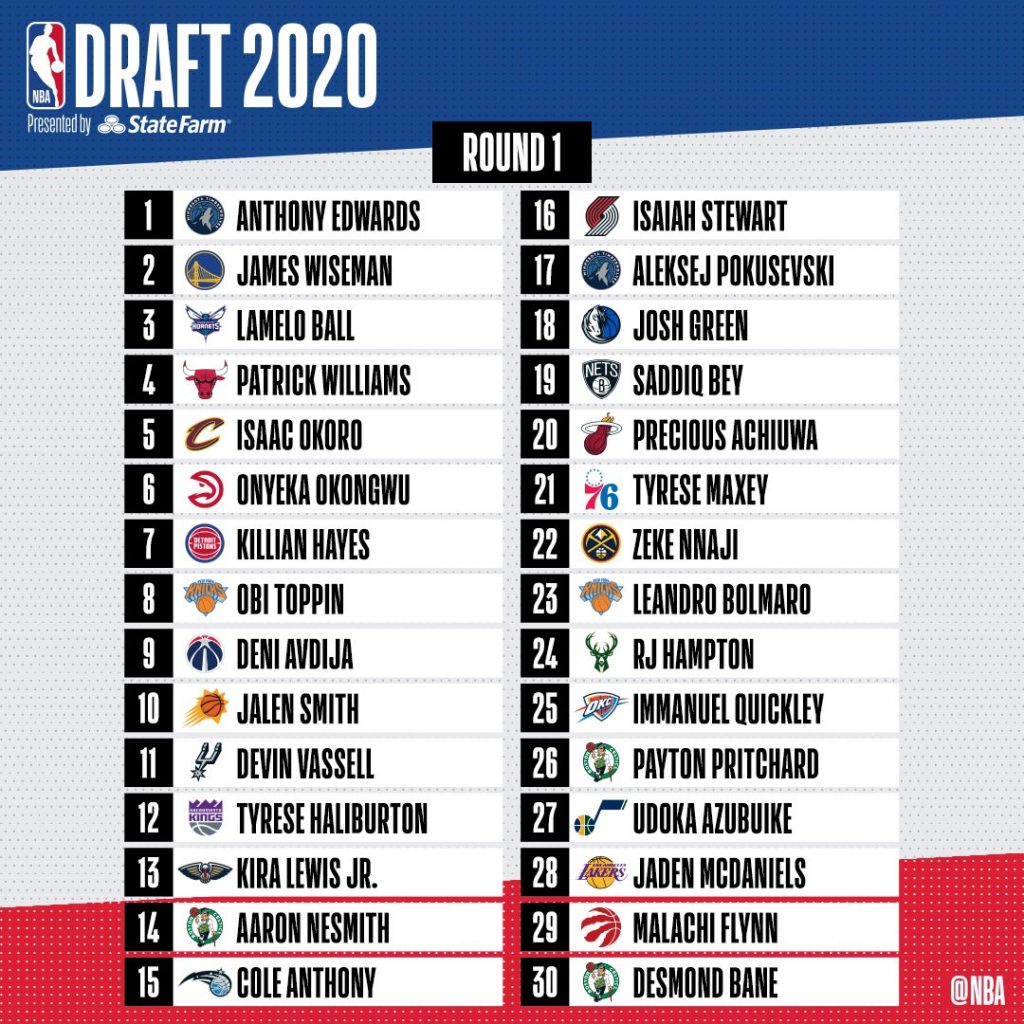
The 2025 NBA Draft is still years away, but the anticipation for the next wave of talent is already building. Mock drafts, while speculative, offer a glimpse into the potential landscape of the league, providing insights into the strengths and weaknesses of upcoming prospects. By comparing these projections to historical drafts, we can gain valuable context and understand the potential impact of these players on the league.
The Significance of Comparisons
Analyzing mock drafts in the context of previous drafts offers several benefits:
- Identifying Trends: Observing similarities in player profiles and draft positions can reveal emerging trends in the game. For instance, the rise of versatile "stretch fours" in recent years might indicate a shift in team building strategies, influencing the value of certain player types in the future.
- Evaluating Potential: Comparing a prospect’s projected role and skillset to those of successful players from previous drafts provides a framework for assessing their potential impact. A player compared to a young Kevin Durant, for instance, might be seen as a potential franchise cornerstone.
- Understanding Draft Dynamics: Analyzing past draft classes helps understand the factors that influence draft order and team decisions. This knowledge can inform predictions about potential trades, surprise picks, and the overall flow of the draft.
A Look at 2025: Early Projections and Comparisons
While the 2025 draft class is still developing, several players have already emerged as potential top picks. Early mock drafts often compare these prospects to established NBA players, drawing parallels in skillset, playing style, and potential impact.
Potential Top Picks and Their Comparisons:
- Cameron Boozer (Duke): Often compared to his father, Carlos Boozer, Cameron possesses similar power and physicality. However, his perimeter shooting and versatility suggest a more modern, potentially higher-ceiling player. Comparisons to Draymond Green for his playmaking and defensive impact are also frequently drawn.
- Isaiah Collier (USC): Collier’s elite playmaking and scoring ability have drawn comparisons to Damian Lillard and Ja Morant. His ability to create for himself and others, coupled with his shot-making range, makes him a tantalizing prospect.
- Kwame Evans Jr. (Kentucky): Known for his explosive athleticism and impressive scoring potential, Evans Jr. is often compared to a young Anthony Edwards. His combination of size and explosiveness makes him a potential dominant force in the NBA.
- Jared McCain (Duke): McCain’s shooting prowess and ability to create his own shot have drawn comparisons to Damian Lillard and CJ McCollum. His high basketball IQ and ability to play both on and off the ball make him a valuable offensive asset.
- Dereck Lively II (Duke): As a dominant rim protector and shot-blocker, Lively II is often compared to Rudy Gobert. His size and athleticism make him a formidable defensive force, while his developing offensive game adds further intrigue.
Beyond the Top Picks: Emerging Talent and Comparisons
The 2025 draft class is not limited to potential top picks. Several other players are generating buzz and attracting comparisons to established NBA players:
- Cody Williams (Arizona): Williams’s explosive scoring and impressive athleticism have drawn comparisons to a young Donovan Mitchell. His ability to attack the rim and finish with authority makes him a potential high-impact player.
- Tre Johnson (Texas): Johnson’s playmaking and shooting ability have drawn comparisons to a young Ben Simmons. His ability to facilitate the offense and create scoring opportunities for himself and his teammates makes him a valuable asset.
- Jordan Hawkins (Connecticut): Hawkins’s shot-making ability and ability to play both on and off the ball have drawn comparisons to a young Klay Thompson. His ability to space the floor and knock down shots from range makes him a valuable offensive asset.
- Mikey Williams (USC): Known for his high-flying dunks and impressive athleticism, Williams is often compared to a young Russell Westbrook. His ability to attack the basket and finish with authority makes him a potential highlight-reel player.
Understanding the Limitations
While mock drafts and comparisons offer valuable insights, it is important to acknowledge their inherent limitations:
- Uncertainty: The draft is a fluid process, and player development can be unpredictable. Injuries, coaching changes, and unforeseen circumstances can significantly alter a player’s trajectory.
- Subjectivity: Comparisons are inherently subjective, based on individual interpretations of skills and potential. Different analysts may draw different conclusions, leading to variations in projections.
- Limited Data: Players in their early years are still developing, and their final skillsets may not be fully realized. Comparisons based on limited data can be misleading and should be treated with caution.
FAQs on 2025 NBA Mock Draft Comparisons
- Q: How accurate are 2025 NBA mock drafts?
A: Mock drafts are speculative and should not be treated as definitive predictions. The accuracy of these projections depends on numerous factors, including player development, unforeseen circumstances, and team needs.
- Q: Why are comparisons to past players made in mock drafts?
A: Comparisons to past players provide a framework for understanding a prospect’s potential impact and skillset. By drawing parallels to established NBA players, analysts can offer insights into how a player might translate to the professional level.
- Q: What are the limitations of using comparisons in mock drafts?
A: Comparisons are inherently subjective and based on limited data. Player development is unpredictable, and the comparisons may not accurately reflect a player’s future trajectory.
Tips for Interpreting 2025 NBA Mock Draft Comparisons
- Consider the source: Different analysts have different methodologies and biases. Pay attention to the reputation and experience of the analyst making the comparison.
- Look beyond the comparison: While comparisons offer a starting point, consider the player’s unique strengths and weaknesses.
- Focus on potential: Remember that mock drafts are about potential, not guarantees. Players can exceed or fall short of their projected roles.
- Stay informed: Follow player development throughout the college season and track their progress. This will provide a more nuanced understanding of their strengths and weaknesses.
Conclusion: A Glimpse into the Future
The 2025 NBA Draft is still years away, and the landscape of the league will undoubtedly evolve. While mock drafts and comparisons offer a glimpse into the potential future, it is important to approach them with a critical eye. By understanding the limitations of these projections and considering the dynamic nature of player development, we can navigate the speculative landscape of the NBA draft with informed perspectives.


Closure
Thus, we hope this article has provided valuable insights into Navigating the Future: Exploring 2025 NBA Mock Draft Comparisons. We thank you for taking the time to read this article. See you in our next article!