Navigating the Labyrinth: Understanding Nissan Murano Electrical Issues
Navigating the Labyrinth: Understanding Nissan Murano Electrical Issues
Introduction
In this auspicious occasion, we are delighted to delve into the intriguing topic related to Navigating the Labyrinth: Understanding Nissan Murano Electrical Issues. Let’s weave interesting information and offer fresh perspectives to the readers.
Table of Content
Navigating the Labyrinth: Understanding Nissan Murano Electrical Issues

The Nissan Murano, known for its sleek design and comfortable ride, has also gained notoriety for its potential electrical issues. These issues can range from minor annoyances like flickering lights to major malfunctions that can render the vehicle inoperable. This article aims to provide a comprehensive understanding of common Nissan Murano electrical problems, their causes, and potential solutions.
A Web of Interconnected Systems
The electrical system in a modern vehicle is an intricate network of components, each playing a crucial role in the overall functionality. In the Murano, this network includes:
- Battery: The heart of the electrical system, providing power to start the engine and operate various components.
- Alternator: Generates power while the engine is running, charging the battery and supplying power to the electrical system.
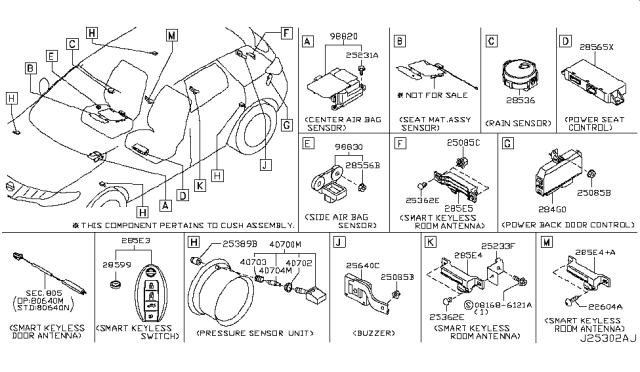
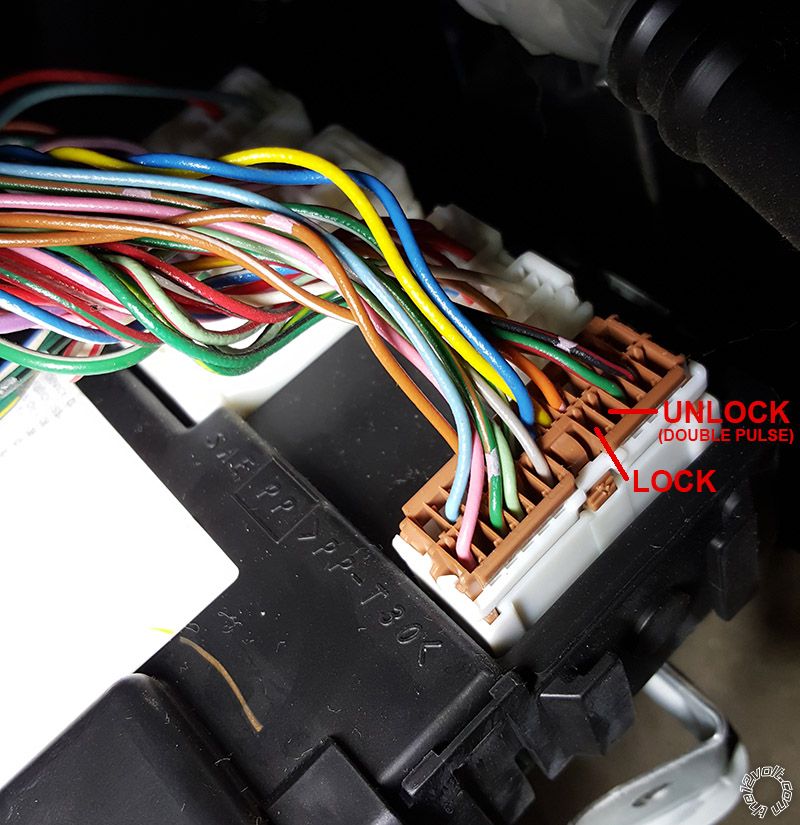
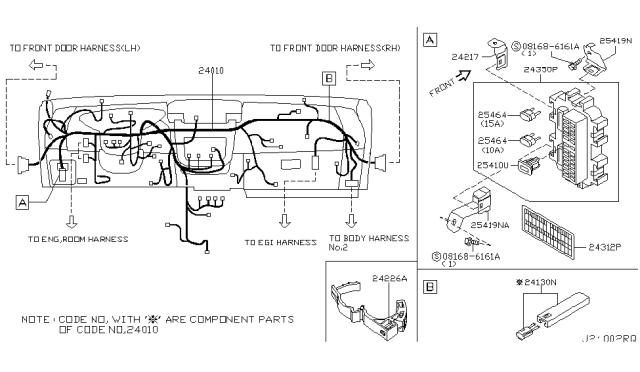
- Wiring Harness: A complex network of cables that connect various electrical components throughout the vehicle.
- Fuses and Relays: Protect electrical circuits from overload and control the flow of electricity to specific components.
- Sensors: Monitor various vehicle systems, transmitting data to the computer for analysis and control.
- Control Modules: Receive signals from sensors and other components, processing information and controlling various functions.
- Electrical Components: Include headlights, taillights, power windows, door locks, climate control system, audio system, and many more.
Common Electrical Issues and their Causes
1. Battery Problems:
- Dead Battery: A common cause is leaving the headlights or interior lights on, draining the battery. Other causes include a failing battery due to age, extreme temperatures, or parasitic drain from a faulty component.
- Alternator Failure: A malfunctioning alternator can prevent the battery from charging properly, leading to a dead battery.
- Corrosion: Corrosion on battery terminals can hinder the flow of electricity, leading to reduced starting power.
2. Wiring Harness Issues:
- Chafing and Damage: Wiring harnesses can become damaged due to wear and tear, chafing against sharp edges, or exposure to harsh weather conditions.
- Corrosion: Corrosion can occur in the connectors or wiring itself, interrupting the flow of electricity.
- Loose Connections: Over time, connections within the wiring harness can loosen, leading to intermittent electrical problems.
3. Fuse and Relay Problems:
- Blown Fuses: A blown fuse indicates an overload in the circuit it protects. This can be caused by a short circuit, faulty component, or excessive current draw.
- Faulty Relays: Relays act as switches for electrical circuits. A faulty relay can cause the circuit it controls to malfunction.
4. Sensor Issues:
- Faulty Sensors: Sensors can fail due to age, damage, or exposure to extreme temperatures.
- Corrosion: Corrosion can affect the sensor’s ability to function properly.
5. Control Module Problems:
- Software Glitches: Software glitches within the control modules can cause various electrical malfunctions.
- Hardware Failures: Control modules can fail due to age, overheating, or exposure to moisture.
6. Electrical Component Failures:
- Headlights and Taillights: These components can fail due to bulb burnout, wiring issues, or damage to the housing.
- Power Windows and Door Locks: Malfunctions can be caused by faulty motors, switches, wiring issues, or damage to the window regulators.
- Climate Control System: Problems with the climate control system can be caused by faulty sensors, actuators, or wiring issues.
- Audio System: Malfunctions can arise from faulty speakers, amplifiers, or wiring problems.
Diagnosing and Resolving Electrical Issues
Diagnosing electrical problems can be challenging due to the complexity of the system. Here are some steps to help identify the issue:
- Visual Inspection: Check for any visible damage to wiring harnesses, connectors, fuses, relays, or electrical components.
- Battery and Alternator Tests: Use a multimeter to test the battery’s voltage and the alternator’s charging output.
- Fuse Inspection: Inspect fuses for signs of burning or melting.
- Diagnostic Codes: Use an OBD-II scanner to retrieve any stored diagnostic trouble codes (DTCs) that can provide clues about the problem.
- Electrical Testing: Perform electrical tests using a multimeter to check for continuity, voltage, and current flow in various circuits.
Resolving Electrical Problems:
- Replacing Faulty Components: Once the faulty component is identified, it should be replaced with a genuine OEM part or a reputable aftermarket equivalent.
- Repairing Wiring Harness Damage: Damaged wiring should be repaired or replaced.
- Cleaning Connectors: Clean corroded connectors with a wire brush and electrical contact cleaner.
- Software Updates: Check for software updates for control modules to address known glitches.
FAQs about Nissan Murano Electrical Issues:
1. Why does my Nissan Murano have electrical problems?
Electrical issues in Nissan Muranos can be caused by a variety of factors, including age, wear and tear, environmental factors, and manufacturing defects.
2. How can I prevent electrical problems in my Nissan Murano?
Regular maintenance, including battery checks, wiring harness inspections, and fuse replacement, can help prevent electrical problems.
3. What are the signs of electrical problems in a Nissan Murano?
Signs of electrical problems can include flickering lights, dim headlights, malfunctioning power windows, intermittent audio system issues, and difficulty starting the engine.
4. How much does it cost to fix electrical problems in a Nissan Murano?
The cost of repairing electrical problems can vary widely depending on the complexity of the issue and the cost of parts and labor.
5. Can I fix electrical problems myself?
While some minor electrical repairs can be done by a knowledgeable DIYer, complex electrical issues should be addressed by a qualified mechanic.
Tips for Preventing Electrical Issues:
- Regular Battery Maintenance: Check the battery’s voltage and terminal connections regularly. Replace the battery when necessary.
- Wiring Harness Inspections: Inspect the wiring harness for signs of chafing, damage, or corrosion.
- Fuse and Relay Replacement: Replace blown fuses and faulty relays promptly.
- Avoid Excessive Electrical Loads: Avoid overloading electrical circuits by using multiple high-power accessories simultaneously.
- Protect from Environmental Factors: Park the vehicle in a covered area to protect it from extreme temperatures and moisture.
Conclusion:
Electrical problems in Nissan Muranos can be a significant concern, leading to frustration and inconvenience. Understanding common issues, their causes, and potential solutions can help owners proactively address these problems and maintain the reliability of their vehicles. Regular maintenance, careful inspection, and timely repairs are crucial for preventing and resolving electrical issues in the Nissan Murano. By taking these steps, owners can ensure their Muranos remain reliable and enjoyable to drive for years to come.
![[DIAGRAM] Nissan Murano Electrical Wiring Diagrams Manual - MYDIAGRAM](https://ww2.justanswer.com/uploads/CO/conquesttsi/2012-09-06_052214_graphic.gif)


Closure
Thus, we hope this article has provided valuable insights into Navigating the Labyrinth: Understanding Nissan Murano Electrical Issues. We appreciate your attention to our article. See you in our next article!