The 2025 Nissan Armada: A Deep Dive into Rear Suspension Technology
The 2025 Nissan Armada: A Deep Dive into Rear Suspension Technology
Introduction
With great pleasure, we will explore the intriguing topic related to The 2025 Nissan Armada: A Deep Dive into Rear Suspension Technology. Let’s weave interesting information and offer fresh perspectives to the readers.
Table of Content
The 2025 Nissan Armada: A Deep Dive into Rear Suspension Technology
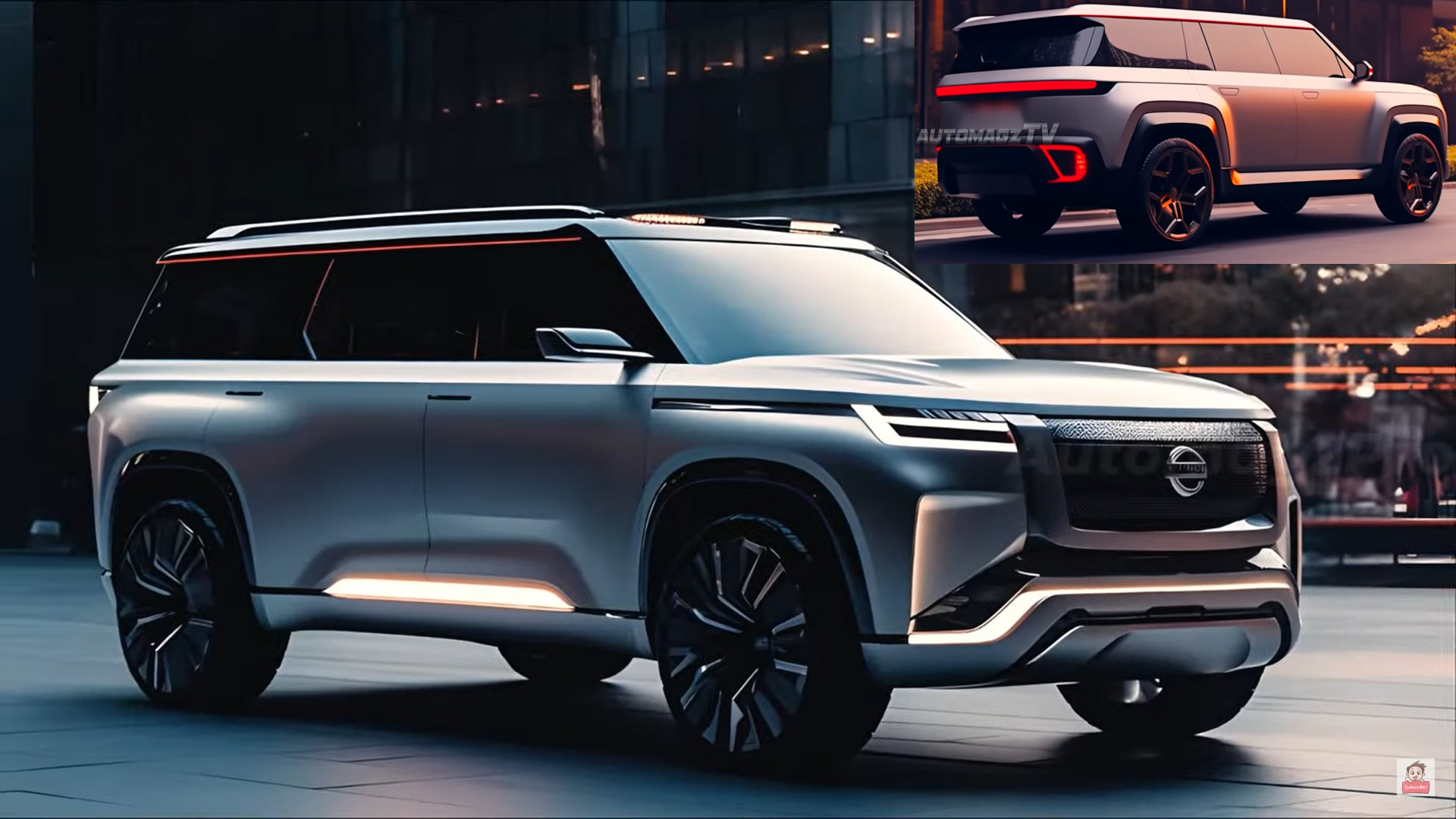
The Nissan Armada, a full-size SUV known for its robust capabilities and spacious interior, has consistently been a popular choice for families and adventurers alike. While the 2025 model year is still shrouded in speculation, it is anticipated that Nissan will continue to refine the Armada’s performance and comfort through advancements in its rear suspension system.
Understanding the Importance of Rear Suspension
The rear suspension plays a critical role in a vehicle’s overall performance and handling. It is responsible for absorbing road imperfections, maintaining stability during cornering, and providing a comfortable ride. A well-designed rear suspension system ensures that the vehicle remains balanced and controllable, even in challenging driving conditions.
Potential Enhancements in the 2025 Nissan Armada Rear Suspension
While official details for the 2025 Armada are yet to be released, industry trends and the evolution of automotive technology suggest potential enhancements to the rear suspension:
- Adaptive Damping: This technology allows the suspension system to adjust its stiffness based on real-time driving conditions. Sensors monitor road surface, vehicle speed, and driver input, allowing the system to optimize shock absorber damping for optimal ride comfort and handling.
- Multi-Link Suspension: This system utilizes multiple control arms to provide precise wheel control and enhance stability. It offers a more sophisticated approach compared to simpler leaf spring setups, resulting in improved ride quality and handling.
- Electronic Stability Control (ESC): ESC is a crucial safety feature that utilizes sensors to detect potential loss of control and automatically applies brakes to individual wheels to maintain stability. By integrating ESC with the rear suspension, the system can actively manage wheel movement and prevent skidding.
- Air Suspension: This advanced system utilizes air springs to adjust ride height and stiffness on demand. It allows for a smoother ride, improved handling, and the ability to adjust ground clearance for off-road adventures.
Benefits of a Refined Rear Suspension
- Improved Ride Comfort: A well-tuned rear suspension absorbs bumps and dips more effectively, minimizing the impact on passengers and providing a smoother, more comfortable ride.
- Enhanced Handling: A more sophisticated suspension system allows for precise control of the vehicle’s movements, resulting in improved handling and cornering stability.
- Increased Cargo Capacity: A rear suspension designed for stability and comfort can often accommodate a higher payload, allowing for more cargo space without compromising handling.
- Enhanced Off-Road Capability: For off-road enthusiasts, a suspension system with adjustable ride height and advanced damping can improve traction and maneuverability on challenging terrain.
FAQs
-
Q: What are the common signs of a worn-out rear suspension?
- A: Excessive bouncing, swaying, or instability during cornering, uneven tire wear, and a noticeable decrease in ride comfort are common signs.
-
Q: How often should I have my rear suspension checked?
- A: It is recommended to have your suspension checked at least once a year, or more frequently if you notice any of the symptoms mentioned above.
-
Q: Can I perform basic maintenance on my rear suspension myself?
- A: While some simple tasks like checking fluid levels and inspecting components can be done at home, complex repairs or adjustments should be performed by a qualified mechanic.
Tips
- Avoid overloading your vehicle: Exceeding the vehicle’s weight capacity can put undue stress on the suspension and lead to premature wear.
- Regularly inspect your tires: Uneven tire wear can indicate a problem with the suspension alignment.
- Have your suspension checked after a major collision: Even a minor accident can damage the suspension system.
- Maintain proper tire pressure: Underinflated tires can put extra strain on the suspension.
Conclusion
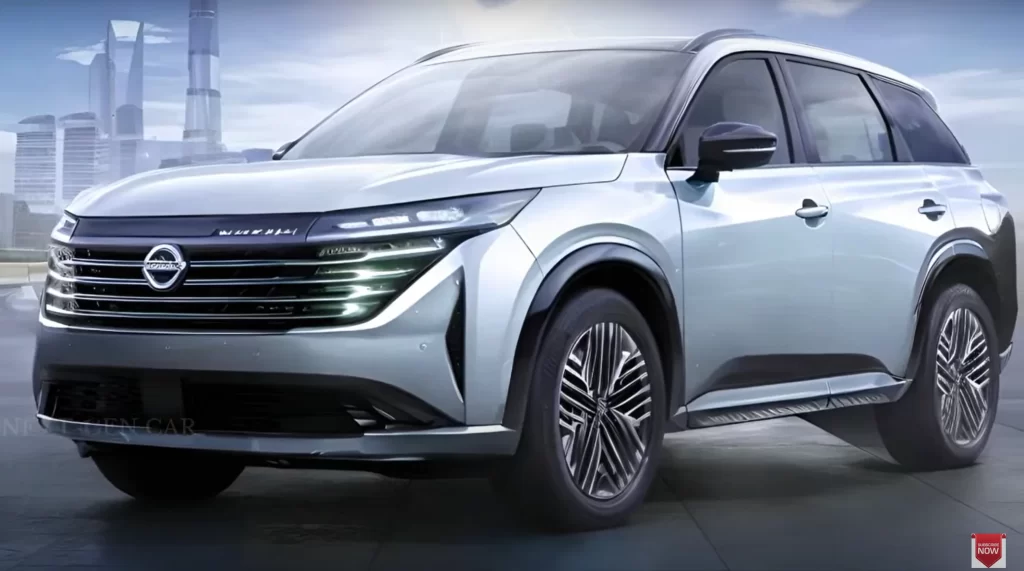
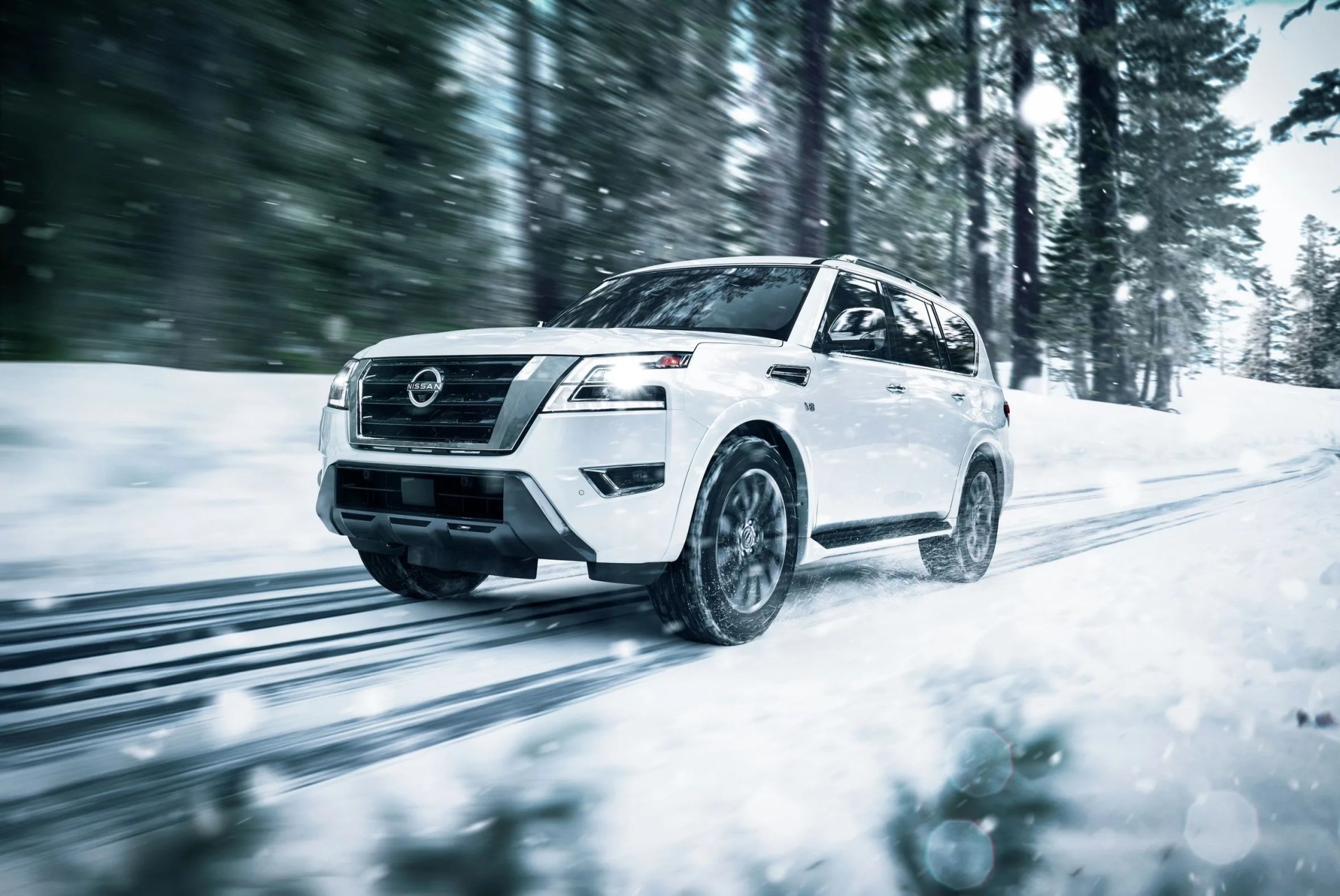
The rear suspension is a critical component of any vehicle, and its performance directly impacts the overall driving experience. The 2025 Nissan Armada is expected to build upon its already impressive capabilities with potential enhancements to its rear suspension system. By incorporating advanced technology and innovative designs, Nissan aims to further enhance the Armada’s ride comfort, handling, and overall performance, solidifying its position as a top contender in the full-size SUV segment.






Closure
Thus, we hope this article has provided valuable insights into The 2025 Nissan Armada: A Deep Dive into Rear Suspension Technology. We thank you for taking the time to read this article. See you in our next article!