The 2025 Nissan Kicks: Fuel Efficiency and Performance
The 2025 Nissan Kicks: Fuel Efficiency and Performance
Introduction
With enthusiasm, let’s navigate through the intriguing topic related to The 2025 Nissan Kicks: Fuel Efficiency and Performance. Let’s weave interesting information and offer fresh perspectives to the readers.
Table of Content
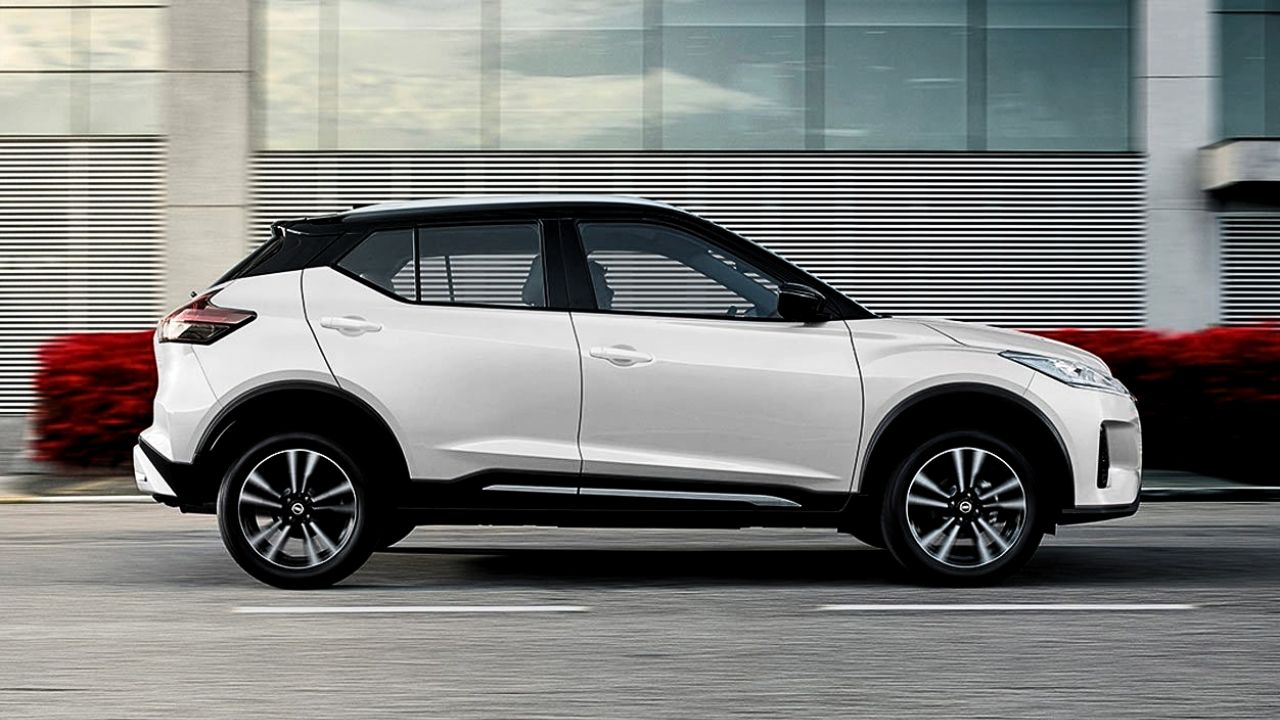
The 2025 Nissan Kicks: Fuel Efficiency and Performance

While specific fuel economy figures for the 2025 Nissan Kicks are not yet available, analyzing current model trends and industry advancements can provide valuable insights into the potential fuel efficiency of this upcoming model.
The Nissan Kicks has consistently been recognized for its fuel-efficient performance. The current generation, boasting a 1.6-liter four-cylinder engine, achieves an impressive EPA-estimated fuel economy of 31 mpg city, 36 mpg highway, and 33 mpg combined. This fuel efficiency is a testament to Nissan’s commitment to developing vehicles that prioritize both performance and environmental responsibility.
Factors Influencing Fuel Efficiency
Several key factors contribute to a vehicle’s fuel efficiency, and the 2025 Nissan Kicks is likely to benefit from advancements in these areas:
- Engine Technology: The 2025 Nissan Kicks may incorporate further refinements to its engine, such as improved combustion efficiency or the introduction of mild-hybrid technology. These advancements can optimize fuel consumption without compromising power output.
- Aerodynamics: Nissan has consistently focused on optimizing the aerodynamic profile of its vehicles. The 2025 Kicks could potentially feature design elements that minimize air resistance, further improving fuel efficiency.
- Weight Reduction: Lightweight materials, such as high-strength steel and aluminum, are increasingly being used in vehicle construction. This weight reduction can significantly improve fuel efficiency.
- Transmission Efficiency: The 2025 Nissan Kicks may feature a more efficient transmission, such as a continuously variable transmission (CVT) with improved gear ratios. This can further optimize fuel consumption.
- Driving Habits: Fuel efficiency is not solely dependent on the vehicle itself. Drivers can significantly impact fuel consumption through their driving habits. Smooth acceleration, avoiding unnecessary braking, and maintaining a consistent speed can all contribute to better fuel economy.
Benefits of Fuel Efficiency
Fuel efficiency offers numerous benefits for both individuals and the environment:
- Reduced Fuel Costs: A more fuel-efficient vehicle translates to lower fuel expenses, saving money over time.
- Environmental Sustainability: Reduced fuel consumption leads to lower greenhouse gas emissions, contributing to a cleaner environment.
- Increased Range: A more efficient engine allows for greater driving range, reducing the need for frequent refueling.
- Improved Performance: Fuel efficiency advancements often go hand-in-hand with improved engine performance, resulting in a more responsive and enjoyable driving experience.
FAQs Regarding Fuel Efficiency
Q: Will the 2025 Nissan Kicks be more fuel-efficient than the current model?
A: While specific fuel economy figures are not yet available, it is reasonable to expect the 2025 Nissan Kicks to offer improved fuel efficiency due to anticipated advancements in engine technology, aerodynamics, and other factors.
Q: How can I maximize the fuel efficiency of my 2025 Nissan Kicks?
A: Practicing safe and fuel-efficient driving habits is crucial. This includes:
- Smooth Acceleration: Avoid rapid acceleration, which consumes more fuel.
- Maintain Consistent Speed: Avoid frequent braking and acceleration by maintaining a steady speed.
- Use Cruise Control: Cruise control helps maintain a consistent speed, optimizing fuel efficiency.
- Avoid Excessive Idling: Turn off the engine when parked for extended periods.
- Proper Tire Inflation: Underinflated tires increase rolling resistance, impacting fuel economy.
Q: What are the potential downsides to fuel efficiency improvements?
A: While fuel efficiency advancements offer numerous benefits, there may be some potential downsides:
- Increased Cost: Advanced technologies and materials used to improve fuel efficiency may increase the vehicle’s initial cost.
- Reduced Performance: In some cases, fuel efficiency improvements may result in a slight reduction in engine power output.
- Limited Availability: Some fuel-efficient technologies may not be available in all trims or configurations.
Tips for Improving Fuel Efficiency
- Regular Maintenance: Ensure your vehicle is properly maintained, including oil changes, tire rotations, and air filter replacements.
- Avoid Heavy Loads: Minimize the weight you carry in your vehicle, as extra weight increases fuel consumption.
- Plan Your Route: Avoid unnecessary driving by planning your routes efficiently.
- Consider Alternative Modes of Transportation: For short trips, consider walking, cycling, or public transportation to reduce fuel consumption.
Conclusion
The 2025 Nissan Kicks is poised to build upon its reputation for fuel efficiency, offering drivers a compelling combination of performance and environmental responsibility. While specific fuel economy figures are not yet available, the focus on advancements in engine technology, aerodynamics, and other factors indicates a commitment to continued improvement. By adopting fuel-efficient driving practices and embracing the benefits of a more efficient vehicle, drivers can contribute to a cleaner environment while enjoying the advantages of lower fuel costs and increased driving range.



Closure
Thus, we hope this article has provided valuable insights into The 2025 Nissan Kicks: Fuel Efficiency and Performance. We hope you find this article informative and beneficial. See you in our next article!