The Nissan Kicks 2025: A Look at Fuel Efficiency in the Compact SUV Segment
The Nissan Kicks 2025: A Look at Fuel Efficiency in the Compact SUV Segment
Introduction
With enthusiasm, let’s navigate through the intriguing topic related to The Nissan Kicks 2025: A Look at Fuel Efficiency in the Compact SUV Segment. Let’s weave interesting information and offer fresh perspectives to the readers.
Table of Content
The Nissan Kicks 2025: A Look at Fuel Efficiency in the Compact SUV Segment
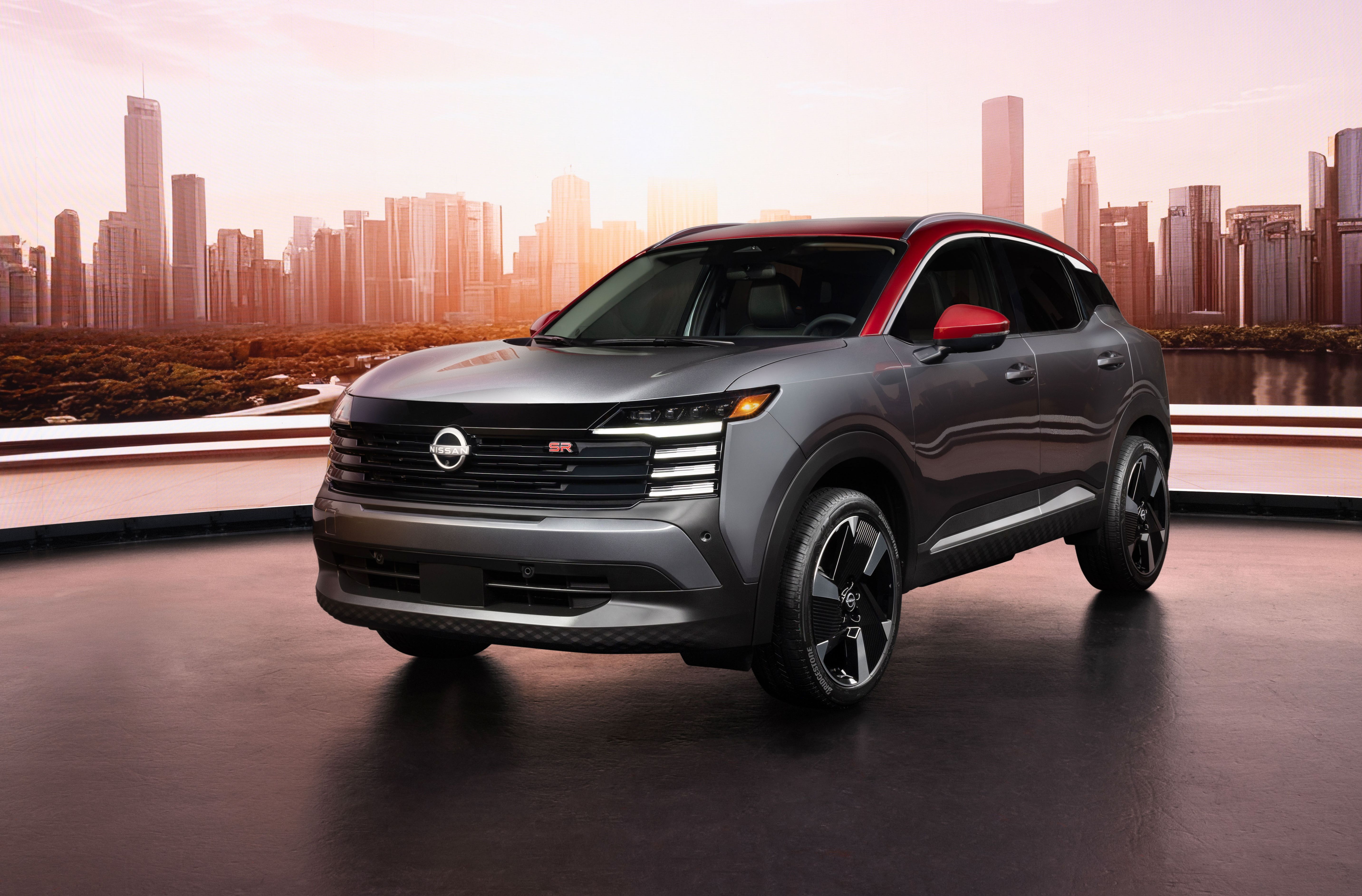
The Nissan Kicks, a popular choice in the compact SUV segment, has consistently impressed with its fuel efficiency. As the automotive industry continues to prioritize sustainability, understanding the fuel consumption figures of the 2025 model becomes crucial for discerning buyers. This article delves into the expected fuel economy of the Nissan Kicks 2025, exploring its significance in the current market and highlighting factors that contribute to its efficiency.
Understanding Fuel Efficiency in the Nissan Kicks 2025
Fuel efficiency, measured in miles per gallon (mpg) or liters per 100 kilometers (l/100km), reflects how effectively a vehicle converts fuel into power. A higher mpg or lower l/100km indicates better fuel economy. The Nissan Kicks 2025 is expected to continue its tradition of delivering impressive fuel efficiency, thanks to a combination of advanced technologies and design elements.
Key Factors Influencing Fuel Efficiency
Several factors contribute to the fuel efficiency of the Nissan Kicks 2025:
- Engine Technology: The Kicks 2025 is likely to feature a refined version of its current engine, incorporating technologies like direct injection and variable valve timing to optimize combustion and reduce fuel consumption.
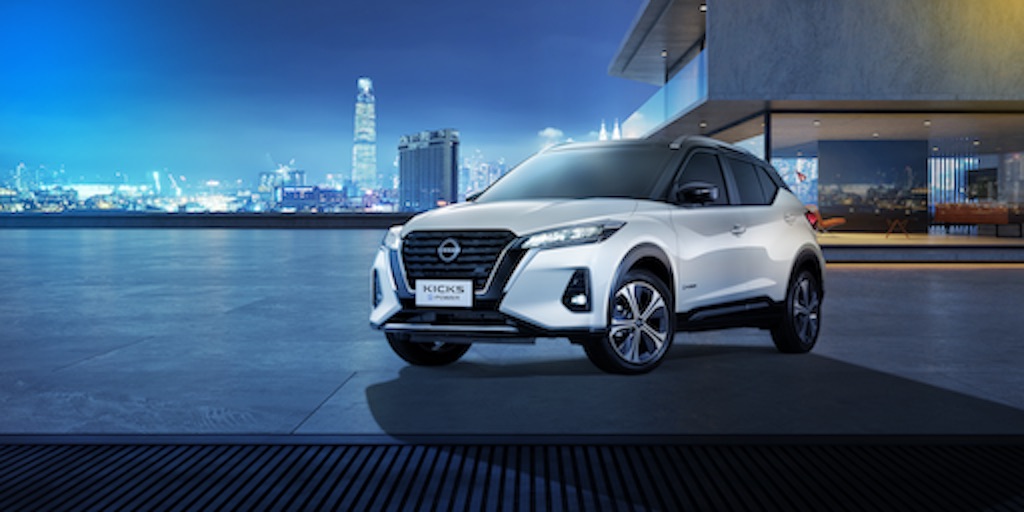
- Aerodynamic Design: The Kicks’ sleek exterior, with its sculpted lines and minimal drag, reduces wind resistance, improving fuel economy.
- Lightweight Construction: The use of lightweight materials, such as high-strength steel and aluminum, reduces the overall weight of the vehicle, leading to improved fuel efficiency.
- Transmission System: The Kicks’ transmission system, likely a continuously variable transmission (CVT), seamlessly adjusts gear ratios to optimize engine speed and fuel consumption.
- Start-Stop Technology: The 2025 model is expected to include an automatic start-stop system that shuts off the engine when the vehicle is at a standstill, further reducing fuel consumption.
The Importance of Fuel Efficiency in the Nissan Kicks 2025
Fuel efficiency is a critical aspect of vehicle ownership, impacting both financial and environmental considerations.
- Reduced Fuel Costs: Higher fuel efficiency translates to lower fuel expenses, making the Kicks 2025 a cost-effective choice for daily commutes and longer journeys.
- Lower Emissions: Improved fuel economy directly contributes to reduced carbon emissions, making the Kicks 2025 a more environmentally responsible option.
- Increased Range: The Kicks’ efficient fuel consumption allows for a greater driving range on a single tank of fuel, providing greater peace of mind for long road trips.
FAQs about Nissan Kicks 2025 Fuel Consumption
Q: What is the expected fuel economy of the Nissan Kicks 2025?
A: While official fuel economy figures for the Nissan Kicks 2025 are yet to be released, based on its predecessor’s performance and advancements in technology, it’s anticipated to achieve an impressive fuel efficiency rating.
Q: Will the Nissan Kicks 2025 offer different fuel economy options?
A: It’s possible that the Kicks 2025 might offer different engine options, each with its own fuel efficiency rating.
Q: How does the Nissan Kicks 2025’s fuel economy compare to its competitors?
A: The Nissan Kicks has consistently ranked high in terms of fuel efficiency within its segment. The 2025 model is expected to continue this trend, offering competitive fuel economy compared to other compact SUVs.
Tips for Maximizing Fuel Efficiency in the Nissan Kicks 2025
- Drive Smoothly: Avoid aggressive acceleration and braking, as these actions increase fuel consumption.
- Maintain Proper Tire Pressure: Underinflated tires increase rolling resistance, leading to reduced fuel efficiency.
- Minimize Cargo Weight: Excess weight in the vehicle puts additional strain on the engine, increasing fuel consumption.
- Utilize Cruise Control: On highways, cruise control helps maintain a constant speed, optimizing fuel efficiency.
- Avoid Idling: Turn off the engine when stationary for extended periods.
Conclusion
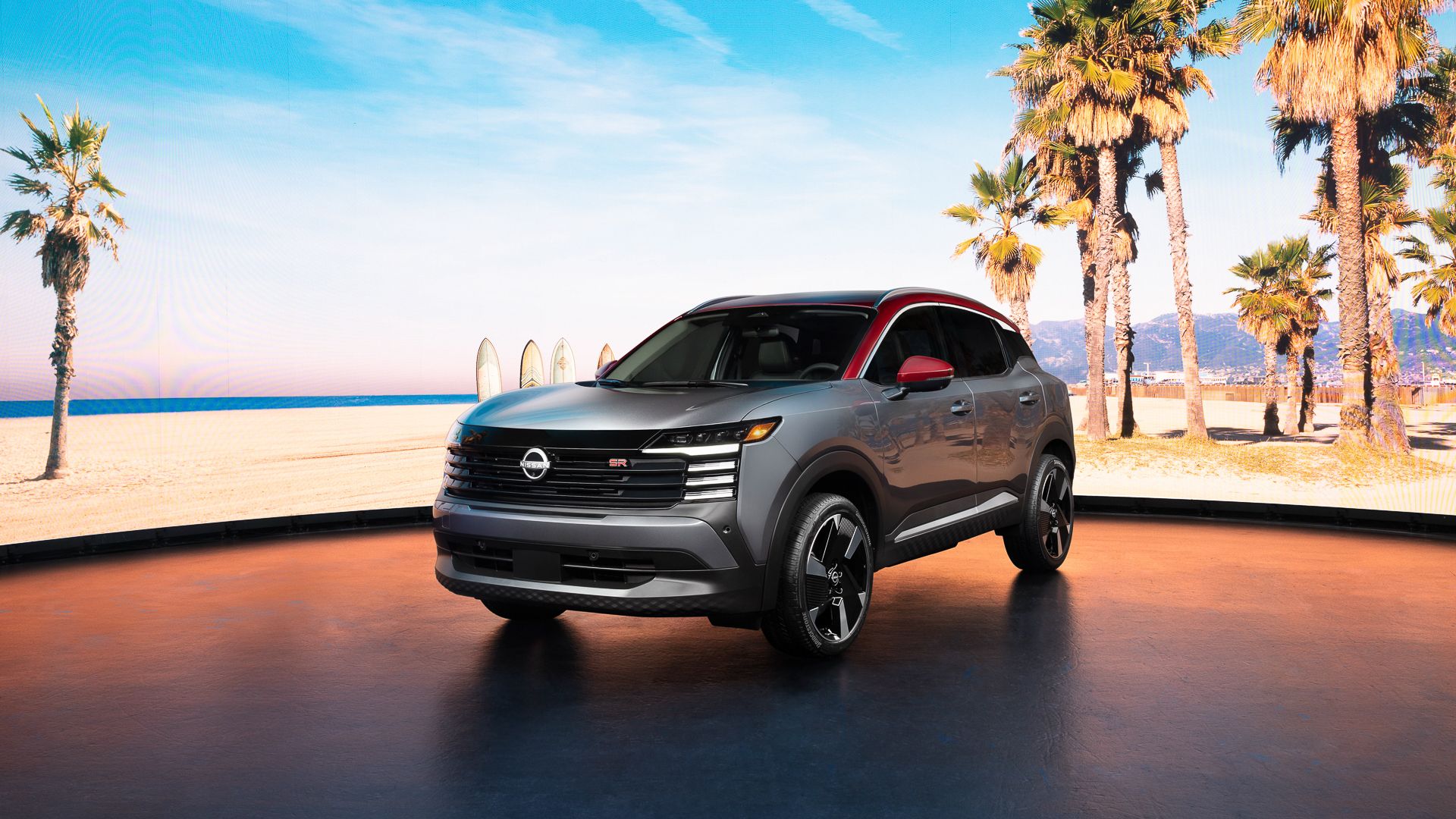
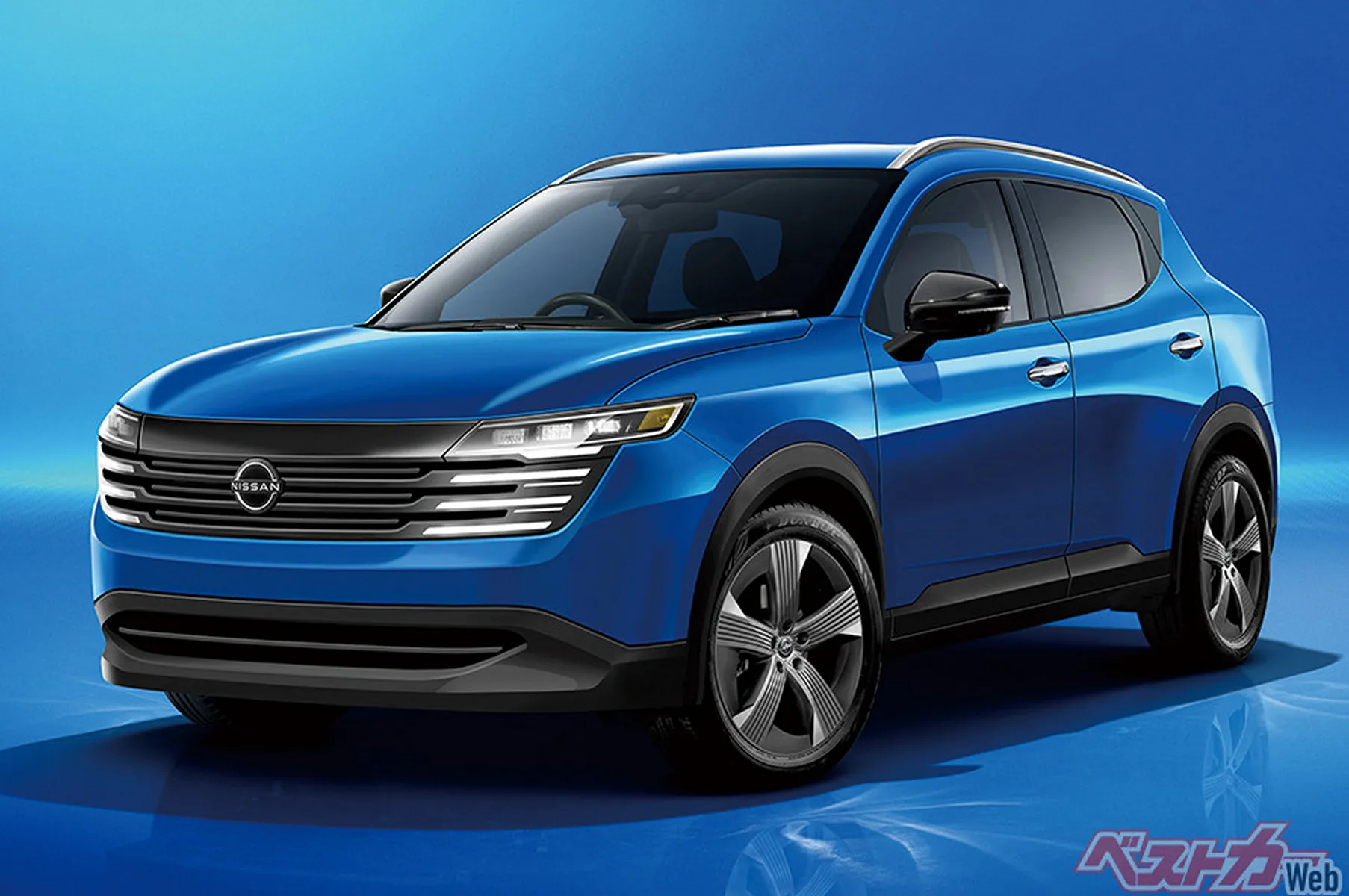
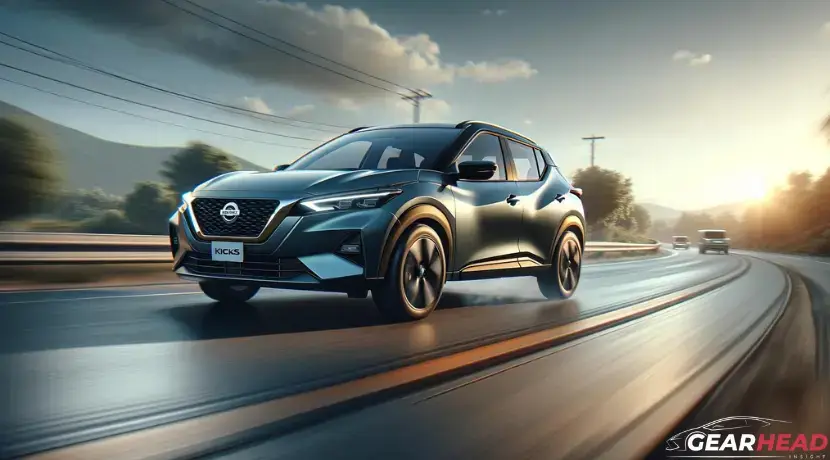
The Nissan Kicks 2025 is poised to continue its tradition of fuel efficiency, offering a compelling combination of practicality, affordability, and environmental consciousness. The vehicle’s advanced technologies, aerodynamic design, and lightweight construction are expected to contribute to impressive fuel economy figures. By understanding the factors influencing fuel efficiency and adopting fuel-saving driving habits, owners can maximize the Kicks’ fuel economy and reap the benefits of reduced fuel costs and lower emissions.



Closure
Thus, we hope this article has provided valuable insights into The Nissan Kicks 2025: A Look at Fuel Efficiency in the Compact SUV Segment. We thank you for taking the time to read this article. See you in our next article!